Discover New Orleans: Top Attractions, Best Things to Do & Insider Travel Tips
Discover New Orleans: Top Attractions, Best Things to Do & Insider Travel Tips Introduction: A City of Music, Magic, and Mardi Gras Welcome to New Orleans, a city that dances to the rhythm of jazz and wears its history on every wrought-iron balcony. Nestled along the Mississippi River, New Orleans—often called “The ...
Discover New Orleans: Top Attractions, Best Things to Do & Insider Travel Tips
Introduction: A City of Music, Magic, and Mardi Gras
Welcome to New Orleans, a city that dances to the rhythm of jazz and wears its history on every wrought-iron balcony. Nestled along the Mississippi River, New Orleans—often called “The Big Easy”—is famed for its vibrant festivals, multicultural heritage, and delicious cuisine. Here, the streets resonate with brass band tunes, and the aroma of spicy gumbo drifts from cozy co er bistros. Founded in 1718 by French settlers, New Orleans has grown into a cultural melting pot. You’ll find influences from French, Spanish, Creole, and African traditions woven into the city’s architecture, food, and celebrations. Whether you’re savoring beignets in a centuries-old café or discovering a secret jazz club in the Marigny neighborhood, New Orleans offers an unforgettable experience. The city invites you to wander, taste, listen, and lea . Keep reading to uncover hidden gems, top attractions, and the best things to do in New Orleans—all in one comprehensive travel guide.Top Attractions in New Orleans
1. The French Quarter
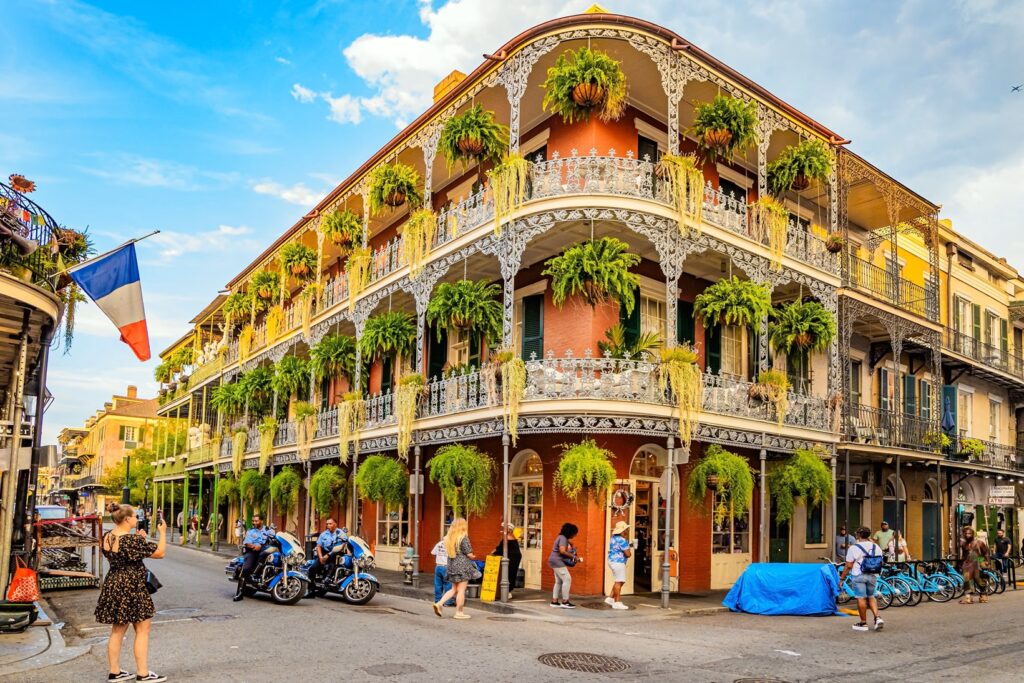 No visit to New Orleans is complete without exploring the historic French Quarter. With its colorful colonial buildings, cast-iron balconies, and lively streets, the French Quarter is truly the heartbeat of the city.
Why It’s a Must-See: This neighborhood embodies the city’s heritage. Its fusion of French, Spanish, and Creole influences is evident at every tu
. Sip chicory coffee at Café du Monde, browse unique shops along Royal Street, and watch street performers near Jackson Square.
Travel Tip: Mo
ings are a great time to visit if you want a quieter experience. Evenings buzz with live music and street performances on Bourbon Street.
Nearby Attractions: Jackson Square, St. Louis Cathedral, and the Cabildo museum are all close by. The Riverwalk along the Mississippi is also a short stroll away.
No visit to New Orleans is complete without exploring the historic French Quarter. With its colorful colonial buildings, cast-iron balconies, and lively streets, the French Quarter is truly the heartbeat of the city.
Why It’s a Must-See: This neighborhood embodies the city’s heritage. Its fusion of French, Spanish, and Creole influences is evident at every tu
. Sip chicory coffee at Café du Monde, browse unique shops along Royal Street, and watch street performers near Jackson Square.
Travel Tip: Mo
ings are a great time to visit if you want a quieter experience. Evenings buzz with live music and street performances on Bourbon Street.
Nearby Attractions: Jackson Square, St. Louis Cathedral, and the Cabildo museum are all close by. The Riverwalk along the Mississippi is also a short stroll away.
2. Jackson Square & St. Louis Cathedral
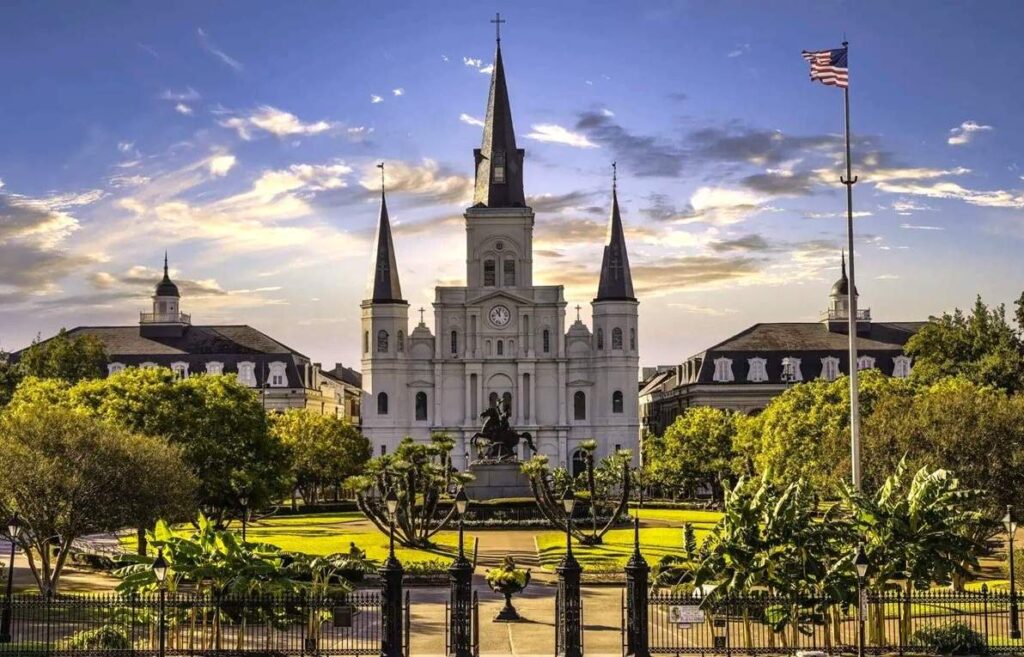 A central landmark within the French Quarter, Jackson Square is a picturesque plaza framed by historic buildings and towering palm trees. The grand St. Louis Cathedral stands proudly here as one of the oldest cathedrals in the United States.
Why It’s a Must-See: Artists often line the sidewalks, displaying vibrant artwork. Street musicians play jazz tunes, creating an unforgettable ambiance. The cathedral’s o
ate interior and rich history are a feast for the eyes.
Travel Tip: Visit midday to see local artists at work. If possible, attend a service at the cathedral to appreciate its grand setting.
Nearby Attractions: The Presbytère and Cabildo museums flank the cathedral, and the famous Café du Monde is across the street for a quick beignet break.
A central landmark within the French Quarter, Jackson Square is a picturesque plaza framed by historic buildings and towering palm trees. The grand St. Louis Cathedral stands proudly here as one of the oldest cathedrals in the United States.
Why It’s a Must-See: Artists often line the sidewalks, displaying vibrant artwork. Street musicians play jazz tunes, creating an unforgettable ambiance. The cathedral’s o
ate interior and rich history are a feast for the eyes.
Travel Tip: Visit midday to see local artists at work. If possible, attend a service at the cathedral to appreciate its grand setting.
Nearby Attractions: The Presbytère and Cabildo museums flank the cathedral, and the famous Café du Monde is across the street for a quick beignet break.
3. Bourbon Street
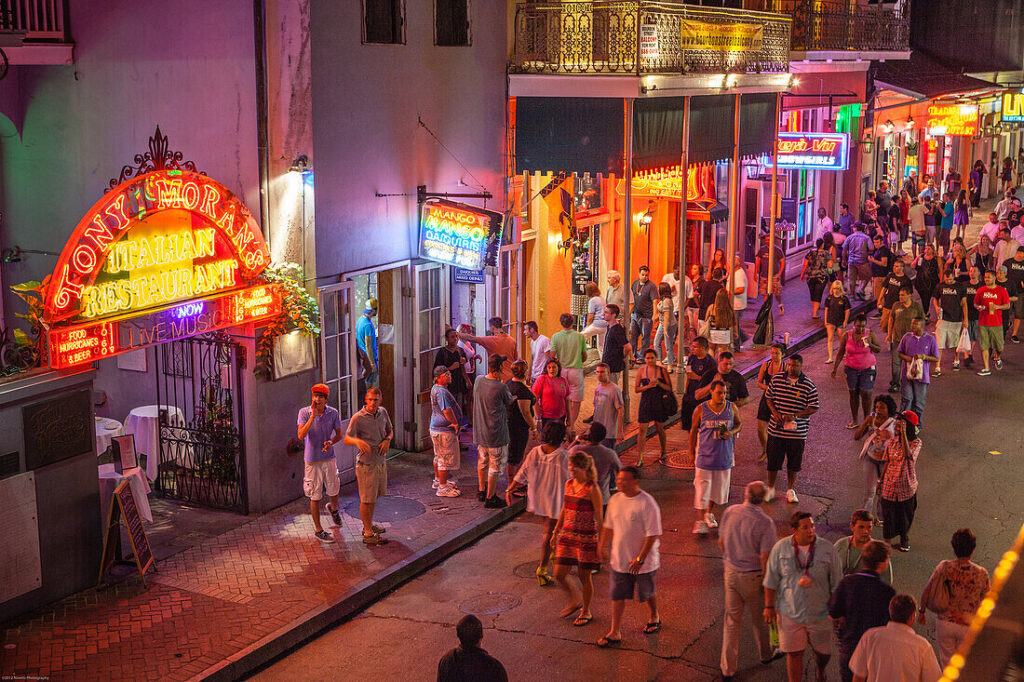 Bourbon Street is famous for its nightlife, neon lights, and spirited celebrations. Although known for its bustling bars and party atmosphere, it’s also brimming with historical charm hidden behind the lively façade.
Why It’s a Must-See: This is the epicenter of New Orleans’ nightlife. From classic jazz lounges to mode
clubs, there’s something for every taste.
Travel Tip: Bourbon Street can get crowded, especially during events like Mardi Gras. For a more relaxed vibe, explore earlier in the evening or on weekdays.
Nearby Attractions: Consider wandering to Frenchmen Street for a more laid-back, local jazz scene or visiting Preservation Hall for an authentic jazz performance.
Bourbon Street is famous for its nightlife, neon lights, and spirited celebrations. Although known for its bustling bars and party atmosphere, it’s also brimming with historical charm hidden behind the lively façade.
Why It’s a Must-See: This is the epicenter of New Orleans’ nightlife. From classic jazz lounges to mode
clubs, there’s something for every taste.
Travel Tip: Bourbon Street can get crowded, especially during events like Mardi Gras. For a more relaxed vibe, explore earlier in the evening or on weekdays.
Nearby Attractions: Consider wandering to Frenchmen Street for a more laid-back, local jazz scene or visiting Preservation Hall for an authentic jazz performance.
4.Garden District 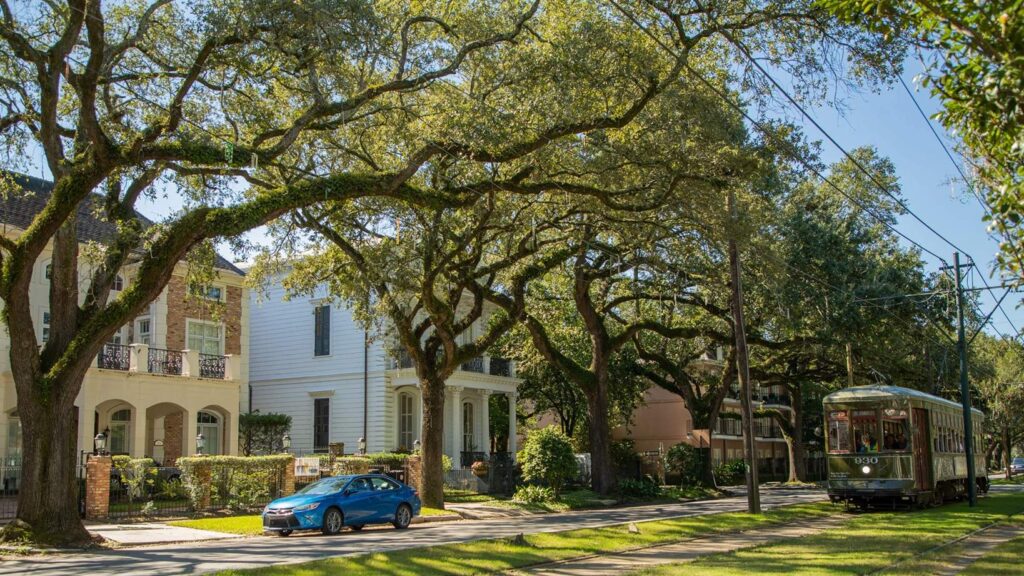
If you need a break from the French Quarter’s energy, head to the leafy Garden District. Known for its stately mansions, oak-lined streets, and Southe
charm, this neighborhood provides a serene contrast to the buzz of downtown.
Why It’s a Must-See: The antebellum architecture and meticulously maintained gardens offer a glimpse into New Orleans’ storied past. Celebrity homes also dot these streets.
Travel Tip: Take a self-guided walking tour to see key highlights like the Columns Hotel, Commander’s Palace restaurant, and the Lafayette Cemetery No.1
Nearby Attractions: Magazine Street is a haven for boutique shopping and local eateries. It’s within walking distance if you want to continue exploring.
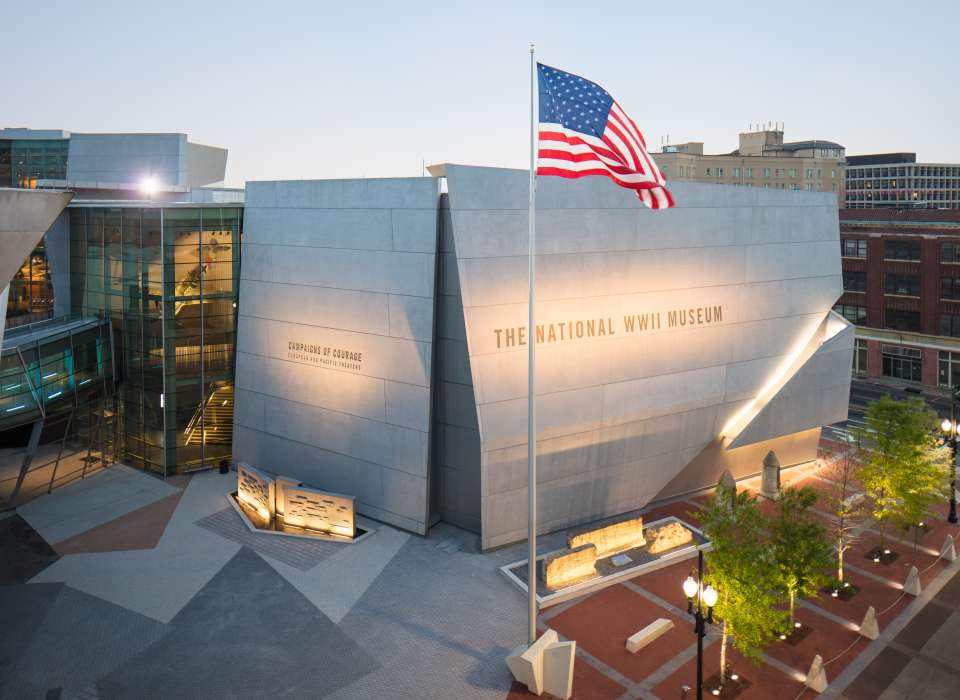
5. National WWII Museum
6. City Park
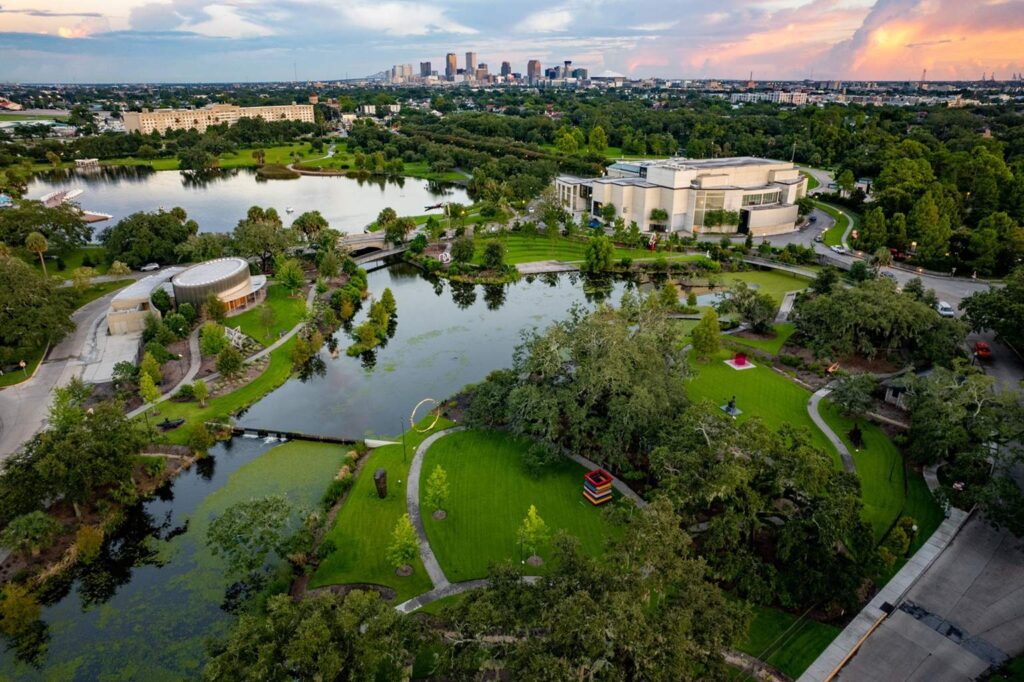 Spanning over 1,300 acres, City Park is a lush urban oasis featuring centuries-old oak trees draped in Spanish moss. Attractions like the New Orleans Museum of Art and the tranquil Sculpture Garden make it a cultural hub beyond just a typical city park.
Why It’s a Must-See: You can paddleboat on the park’s lagoons, stroll through the rose gardens, and even visit the whimsical Storyland for children.
Travel Tip: Mo
ings are peaceful, especially for a jog or leisurely walk. Pack a picnic to enjoy on the lush lawns.
Nearby Attractions: Consider visiting the adjacent Bayou St. John neighborhood, famed for kayaking and picturesque waterfront homes.
Spanning over 1,300 acres, City Park is a lush urban oasis featuring centuries-old oak trees draped in Spanish moss. Attractions like the New Orleans Museum of Art and the tranquil Sculpture Garden make it a cultural hub beyond just a typical city park.
Why It’s a Must-See: You can paddleboat on the park’s lagoons, stroll through the rose gardens, and even visit the whimsical Storyland for children.
Travel Tip: Mo
ings are peaceful, especially for a jog or leisurely walk. Pack a picnic to enjoy on the lush lawns.
Nearby Attractions: Consider visiting the adjacent Bayou St. John neighborhood, famed for kayaking and picturesque waterfront homes.
Things to Do in New Orleans
Explore the Music Scene
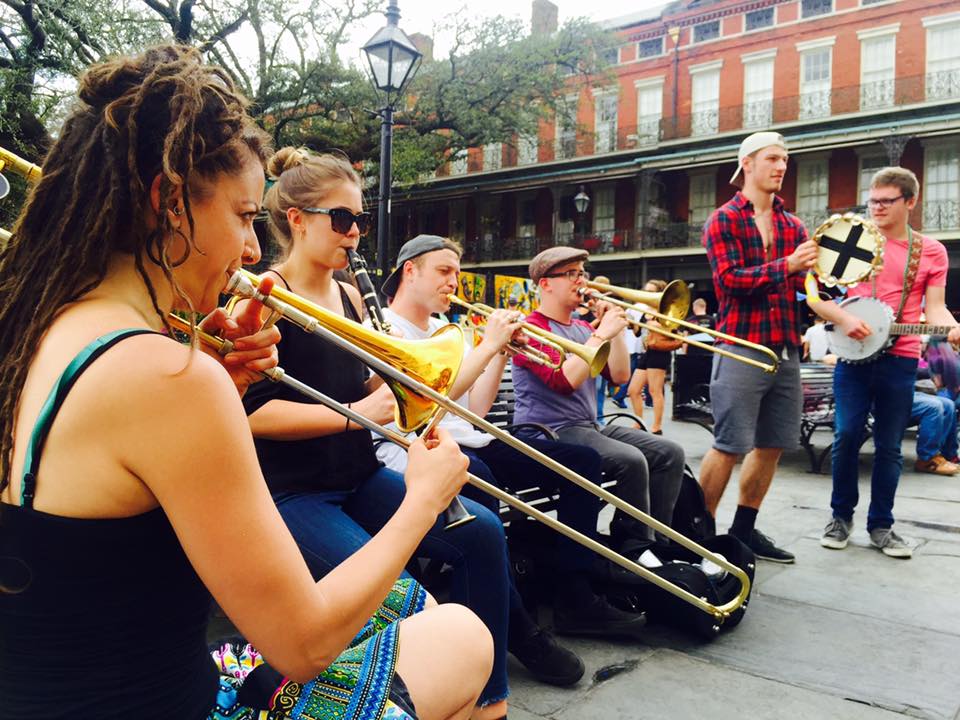 New Orleans is the birthplace of jazz. Whether you’re in a smoky dive bar or a grand music hall, live performances envelop the city day and night. Check out the following:
Frenchmen Street: Fewer tourists, more locals, and an array of jazz clubs.
Preservation Hall: Historic venue offering intimate jazz sessions.
Spotted Cat Music Club: A local favorite with nightly live music.
New Orleans is the birthplace of jazz. Whether you’re in a smoky dive bar or a grand music hall, live performances envelop the city day and night. Check out the following:
Frenchmen Street: Fewer tourists, more locals, and an array of jazz clubs.
Preservation Hall: Historic venue offering intimate jazz sessions.
Spotted Cat Music Club: A local favorite with nightly live music.
Take a Swamp Tour
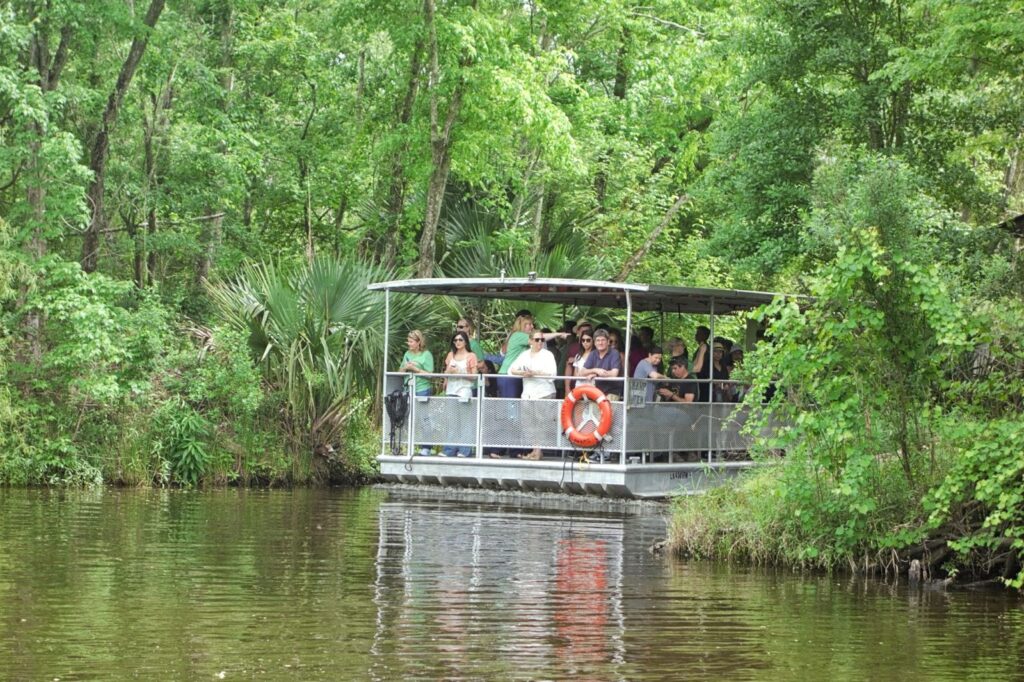 The wetlands surrounding New Orleans are teeming with wildlife, from alligators to exotic birds. A guided swamp tour offers a peek into this unique ecosystem.
Off-the-Beaten-Path: Some tours visit remote areas of the bayou, giving you a true sense of Louisiana’s natural beauty.
What to Expect: Airboat or flatboat tours often include close encounters with gators. Remember sunscreen and insect repellent!
The wetlands surrounding New Orleans are teeming with wildlife, from alligators to exotic birds. A guided swamp tour offers a peek into this unique ecosystem.
Off-the-Beaten-Path: Some tours visit remote areas of the bayou, giving you a true sense of Louisiana’s natural beauty.
What to Expect: Airboat or flatboat tours often include close encounters with gators. Remember sunscreen and insect repellent!
Go on a Cemetery Tour
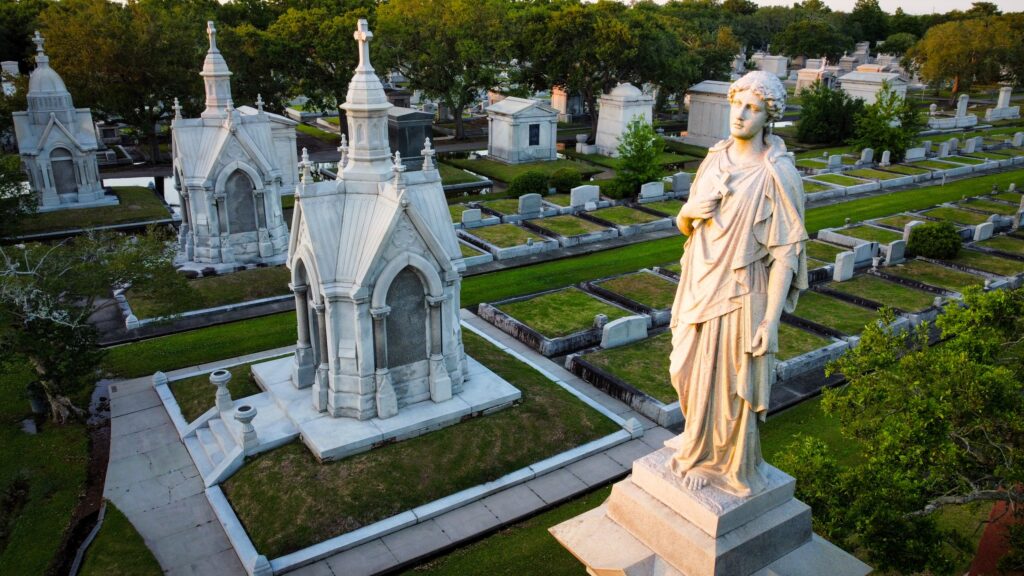 New Orleans’ cemeteries are iconic for their above-ground tombs, often dubbed “Cities of the Dead.” Guided tours offer a fascinating look at local burial traditions.
St. Louis Cemetery No. 1: Resting place of famed voodoo queen Marie Laveau.
Lafayette Cemetery No. 1: Another historic spot in the Garden District.
New Orleans’ cemeteries are iconic for their above-ground tombs, often dubbed “Cities of the Dead.” Guided tours offer a fascinating look at local burial traditions.
St. Louis Cemetery No. 1: Resting place of famed voodoo queen Marie Laveau.
Lafayette Cemetery No. 1: Another historic spot in the Garden District.
Enjoy a Riverboat Cruise
Step back in time on a Mississippi River paddlewheel boat. Listen to a live jazz band while watching the city skyline drift by. Travel Tip: Look for cruises that include dinner and jazz shows for a full evening experience. Romantic Option: A sunset cruise offers scenic views of the river at dusk.Savor the Art Scene
New Orleans is brimming with creativity. The city is home to numerous galleries, murals, and local crafts. Julia Street (Warehouse District): Known as the “Gallery Row” of New Orleans. Royal Street (French Quarter): Antique stores, art galleries, and street performers fill every block.Best Time to Visit New Orleans
New Orleans welcomes visitors year-round, but each season has its own charm. Here’s what you can expect: Spring (February to May) Pros: Mild weather, vibrant festivals, and the iconic Mardi Gras season. Cons: Crowds peak around Mardi Gras and Jazz Fest, meaning higher accommodation costs. Events: Mardi Gras (February/March), French Quarter Festival (April), Jazz & Heritage Festival (April/May). Summer (June to August) Pros: Fewer tourists, and many hotels offer discounted rates. Cons: High humidity and frequent rain showers. Tip: If you can handle the heat, this can be a budget-friendly option. Fall (September to November) Pros: Pleasant weather, fewer crowds, and plenty of food festivals. Cons: Hurricane season can bring unpredictable weather. Events: Southe Decadence (early September), Voodoo Music + Arts Experience (Halloween weekend). Winter (December to January) Pros: Mild winter, festive decorations, and smaller crowds after the holidays. Cons: Can be chilly at night, and some outdoor festivals are on hiatus. Events: Christmas lights in City Park, New Year’s Eve in the French Quarter.Where to Stay in New Orleans
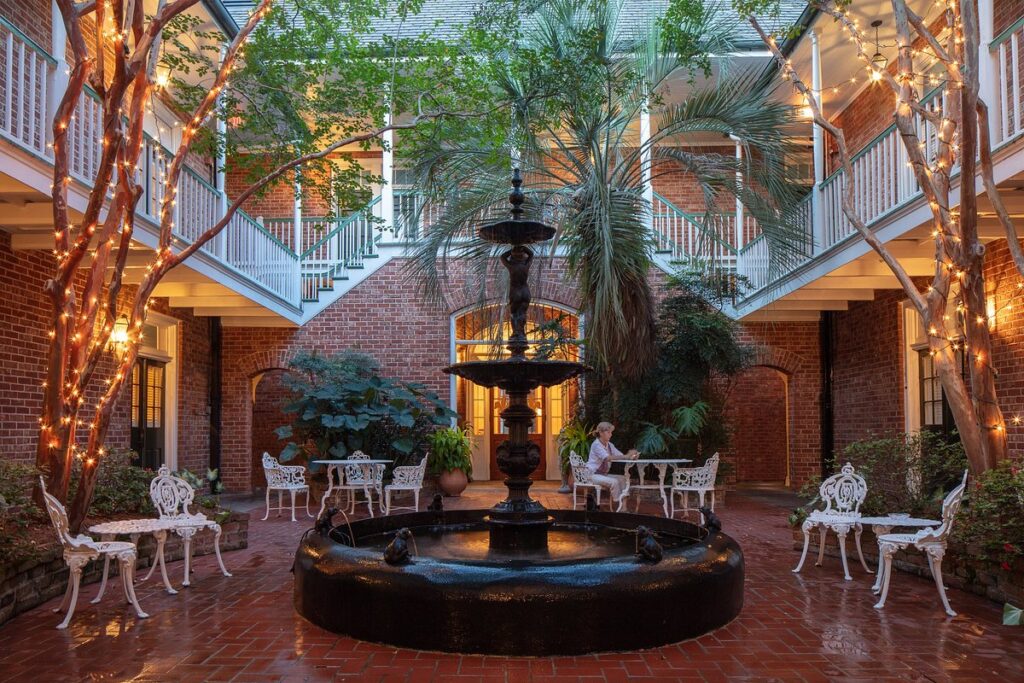 New Orleans offers a variety of accommodations, from elegant historic hotels to hip boutique properties. Here are some neighborhood suggestions:
French Quarter
Pros: Central location, historic charm, walking distance to major attractions.
Cons: Can be noisy at night, higher room rates.
Popular Hotels: Hotel Monteleone, Omni Royal Orleans, and the Royal Sonesta.
Central Business District (CBD)/Downtown
Pros: Mode
hotels, close to the Superdome and Smoothie King Center. Easy access to public transportation.
Cons: Less historic ambiance than the French Quarter.
Popular Hotels: Hyatt Regency, Roosevelt New Orleans, Ace Hotel (known for its trendy vibe).
Garden District/Uptown
Pros: Quiet residential feel, beautiful architecture.
Cons: Further from main tourist attractions, so you’ll rely on streetcars or rideshares.
Popular Hotels: The Pontchartrain Hotel, bed-and-breakfasts like Maison de Macarty.
Marigny & Bywater
Pros: Bohemian vibe, vibrant local art and music scene, less touristy.
Cons: Limited large hotels, mostly boutique inns and short-term rentals.
Popular Stays: Trendy guesthouses, Airbnbs, smaller boutique hotels.
New Orleans offers a variety of accommodations, from elegant historic hotels to hip boutique properties. Here are some neighborhood suggestions:
French Quarter
Pros: Central location, historic charm, walking distance to major attractions.
Cons: Can be noisy at night, higher room rates.
Popular Hotels: Hotel Monteleone, Omni Royal Orleans, and the Royal Sonesta.
Central Business District (CBD)/Downtown
Pros: Mode
hotels, close to the Superdome and Smoothie King Center. Easy access to public transportation.
Cons: Less historic ambiance than the French Quarter.
Popular Hotels: Hyatt Regency, Roosevelt New Orleans, Ace Hotel (known for its trendy vibe).
Garden District/Uptown
Pros: Quiet residential feel, beautiful architecture.
Cons: Further from main tourist attractions, so you’ll rely on streetcars or rideshares.
Popular Hotels: The Pontchartrain Hotel, bed-and-breakfasts like Maison de Macarty.
Marigny & Bywater
Pros: Bohemian vibe, vibrant local art and music scene, less touristy.
Cons: Limited large hotels, mostly boutique inns and short-term rentals.
Popular Stays: Trendy guesthouses, Airbnbs, smaller boutique hotels.
Must-Try Food & Restaurants in New Orleans
New Orleans cuisine is a tapestry of flavors influenced by Creole, Cajun, and French culinary traditions. Here are the dishes and spots you shouldn’t miss:Iconic Dishes
Gumbo A hearty stew of seafood or chicken and sausage, thickened with roux and flavored with local spices.
Where to Try: Commander’s Palace (Garden District) or Gumbo Shop (French Quarter).
Jambalaya
A rice dish packed with meats, seafood, and vegetables. Spicy, savory, and filling.
Where to Try: Coop’s Place (French Quarter) or Mother’s Restaurant (CBD).
Po’ Boys
Classic sandwich on crispy French bread, often stuffed with fried seafood or roast beef.
Where to Try: Parkway Bakery & Tave
(Mid-City) or Domilise’s Po-Boys (Uptown).
Beignets
Pillowy fried dough coated in powdered sugar, best enjoyed with chicory coffee.
Where to Try: Café du Monde (French Quarter) or Café Beignet (multiple locations).
Red Beans and Rice
A Monday tradition in New Orleans, simmered with sausage or ham hocks for a comforting meal.
Where to Try: Coop’s Place (French Quarter), Neyow’s Creole Café (Mid-City).
A hearty stew of seafood or chicken and sausage, thickened with roux and flavored with local spices.
Where to Try: Commander’s Palace (Garden District) or Gumbo Shop (French Quarter).
Jambalaya
A rice dish packed with meats, seafood, and vegetables. Spicy, savory, and filling.
Where to Try: Coop’s Place (French Quarter) or Mother’s Restaurant (CBD).
Po’ Boys
Classic sandwich on crispy French bread, often stuffed with fried seafood or roast beef.
Where to Try: Parkway Bakery & Tave
(Mid-City) or Domilise’s Po-Boys (Uptown).
Beignets
Pillowy fried dough coated in powdered sugar, best enjoyed with chicory coffee.
Where to Try: Café du Monde (French Quarter) or Café Beignet (multiple locations).
Red Beans and Rice
A Monday tradition in New Orleans, simmered with sausage or ham hocks for a comforting meal.
Where to Try: Coop’s Place (French Quarter), Neyow’s Creole Café (Mid-City).
Restaurant Recommendations
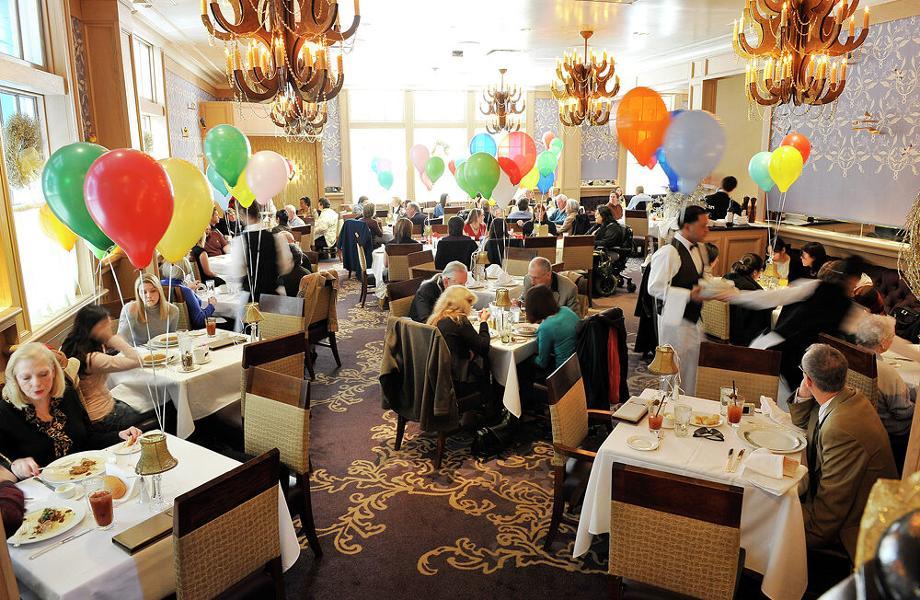 Commander’s Palace (Garden District): Upscale Creole dining. Known for its jazz brunch.
Cochon (Warehouse District): Specializes in mode
Cajun cuisine. Try their wood-fired oysters.
Brennan’s (French Quarter): Famous for its decadent breakfast and Bananas Foster dessert.
Dooky Chase’s (Treme): A historic spot for soul food and Creole classics.
Willie Mae’s Scotch House (Treme): Home of what many call the best fried chicken in America.
Commander’s Palace (Garden District): Upscale Creole dining. Known for its jazz brunch.
Cochon (Warehouse District): Specializes in mode
Cajun cuisine. Try their wood-fired oysters.
Brennan’s (French Quarter): Famous for its decadent breakfast and Bananas Foster dessert.
Dooky Chase’s (Treme): A historic spot for soul food and Creole classics.
Willie Mae’s Scotch House (Treme): Home of what many call the best fried chicken in America.
Local Breweries & Food Markets
Urban South Brewery (Irish Channel): Offers a variety of craft beers with a lively taproom. Crescent City Farmers Market: A rotating market showcasing farm-fresh produce and artisanal goods. Great for sampling local flavors. St. Roch Market (St. Roch neighborhood): A food hall housing multiple vendors, from fresh oysters to global fusion cuisine.Transportation Tips & Getting Around New Orleans
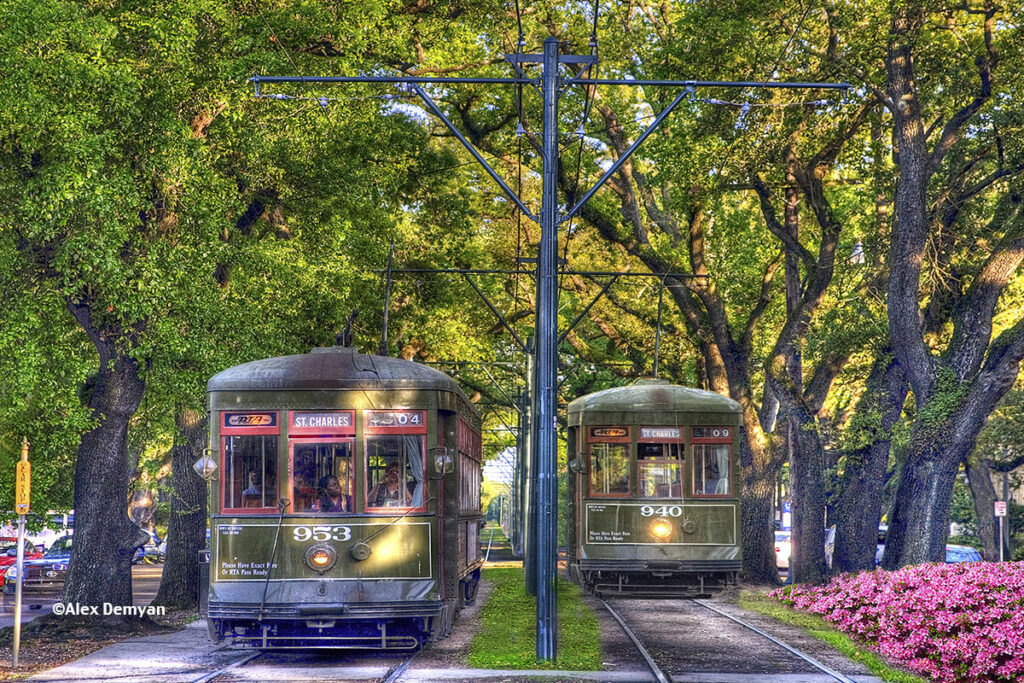
Streetcars
One of the city’s most iconic modes of transportation, the historic streetcars run along several routes: St. Charles Avenue Line: Oldest continuously operating streetcar line in the world. Passes through the Garden District and Uptown. Canal Street Line: Provides access to City Park and the New Orleans Museum of Art. Riverfront Line: Convenient for hopping between the French Quarter and the Convention Center area.Public Buses
The Regional Transit Authority (RTA) manages buses that cover areas the streetcars don’t. They’re affordable and efficient, though less scenic.Rideshares & Taxis
Services like Uber and Lyft are widely available, especially around popular districts. Taxis can be found near major hotels and tourist areas.Walking
New Orleans is relatively compact, especially around the French Quarter, CBD, and Warehouse District. Comfortable shoes are a must to navigate the sometimes uneven sidewalks.Car Rental
If you plan to explore areas outside the city—like plantation country or the Gulf Coast—renting a car can be convenient. However, parking in the French Quarter can be challenging and expensive.Connections to Nearby Cities
Baton Rouge: About an hour’s drive northwest of New Orleans. Lafayette: A hub for Cajun culture, roughly two hours west. Gulf Coast Beaches: Accessible within 1.5–2.5 hours along the Mississippi or Alabama coastline.Local Culture & Events
New Orleans is famous for its year-round festival calendar. Beyond Mardi Gras, the city celebrates music, food, history, and more.Mardi Gras
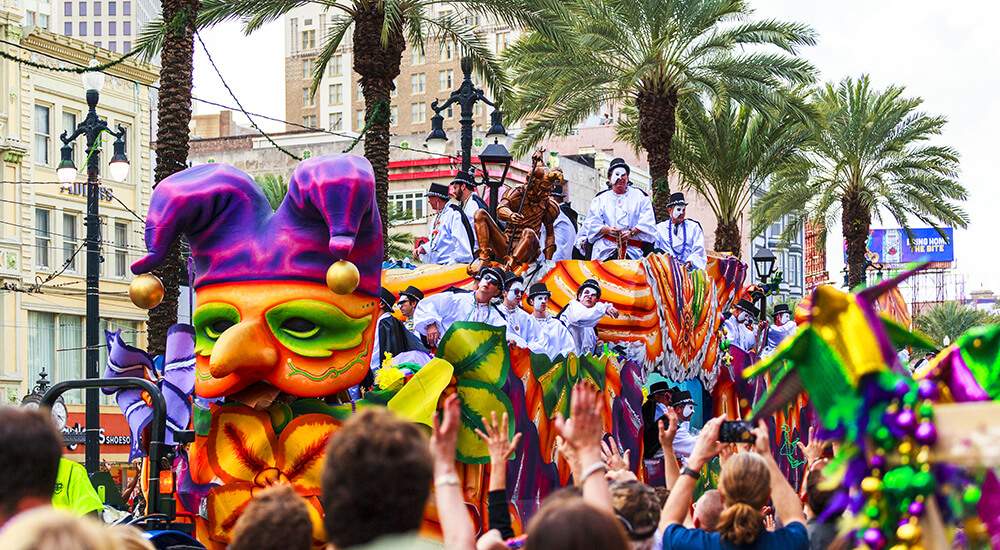 Taking place in the weeks leading up to Ash Wednesday, Mardi Gras is the city’s most iconic event. Colorful parades, extravagant floats, and endless parties fill the streets.
New Orleans Jazz & Heritage Festival
Held over two weekends in late April and early May, Jazz Fest attracts music legends from across genres. From jazz to hip-hop, there’s something for every music lover.Essence Festival
Celebrating African American music and culture, Essence Fest takes place around the Fourth of July weekend. Concerts, empowerment seminars, and celebrity appearances are the highlights.Voodoo Music + Arts Experience
Hosted around Halloween, this festival mixes music, art installations, and spooky-themed attractions in City Park. It’s an eclectic event that blends traditional fall festivities with mode beats.Local Customs & Traditions
Lagniappe: A French Creole term meaning “a little something extra.” Locals love to give a small bonus, whether it’s an extra beignet or a bit of insider advice.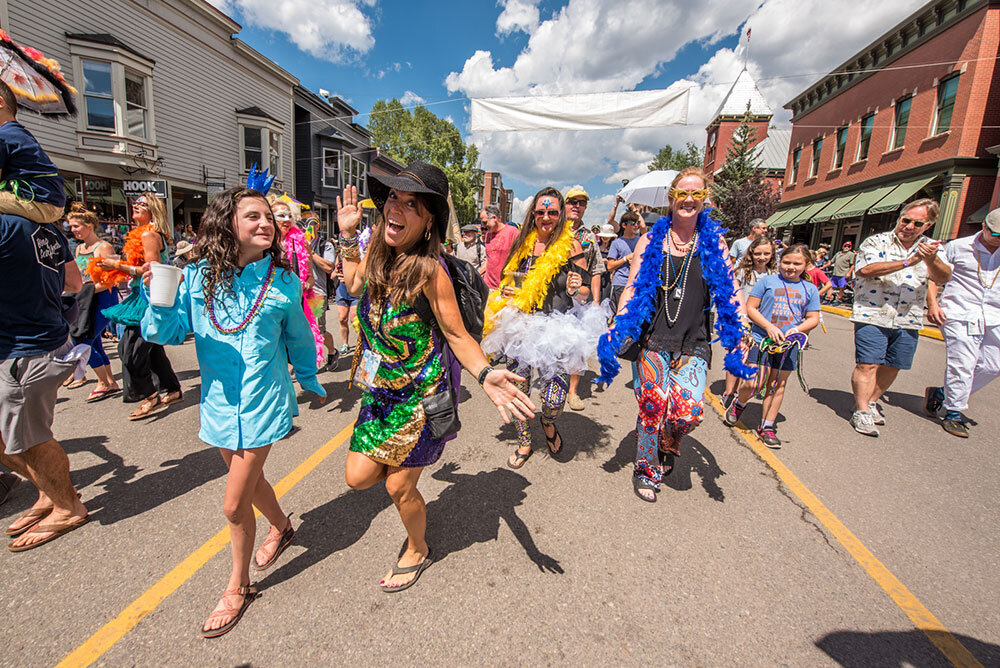 Second Lines: Impromptu brass band parades that can pop up for weddings, funerals, or just a neighborhood celebration. Join in and dance through the streets!
Be Respectful of Parade Etiquette: During Mardi Gras and other parades, ask before joining or photographing the krewe members.
Second Lines: Impromptu brass band parades that can pop up for weddings, funerals, or just a neighborhood celebration. Join in and dance through the streets!
Be Respectful of Parade Etiquette: During Mardi Gras and other parades, ask before joining or photographing the krewe members.
Effective Call to Action
New Orleans is a city that promises a life-changing experience. Whether you’re charmed by the history, jazzed by the music, or tempted by the Creole cuisine, there’s no shortage of ways to immerse yourself in the magic. Ready to explore New Orleans? Share your favorite must-visit places in the comments below! Don’t forget to bookmark this guide, spread the word on social media, and explore our other travel guides for more insider tips on nearby destinations. Let New Orleans’ spell draw you in—and keep you coming back for that little something extra.Frequently Asked Questions
What is the best time to plan this trip?
The best time depends on your destination, weather preferences and local events. Always check opening hours, seasonal prices and local travel advisories before planning your visit.
How can I find recommended places nearby?
Use EmosGlobe city guides to compare restaurants, hotels, attractions, contact information, opening hours, photos and traveler reviews before you go.