Akabeko Restaurant
Akabeko Restaurant in Paris operates within the refined culinary landscape of the 7th arrondissement, presenting a style of cooking that draws from both French and Japanese traditions. The menu is built around a fusion approach, where European techniques and Japanese sensibilities intersect, and the kitchen works primarily through set-course formats. Rather than offering an ? la carte selection, the restaurant invites diners into a progression of dishes that move between land and sea, savory and sweet, with an emphasis on precise plating and composed visual presentation.
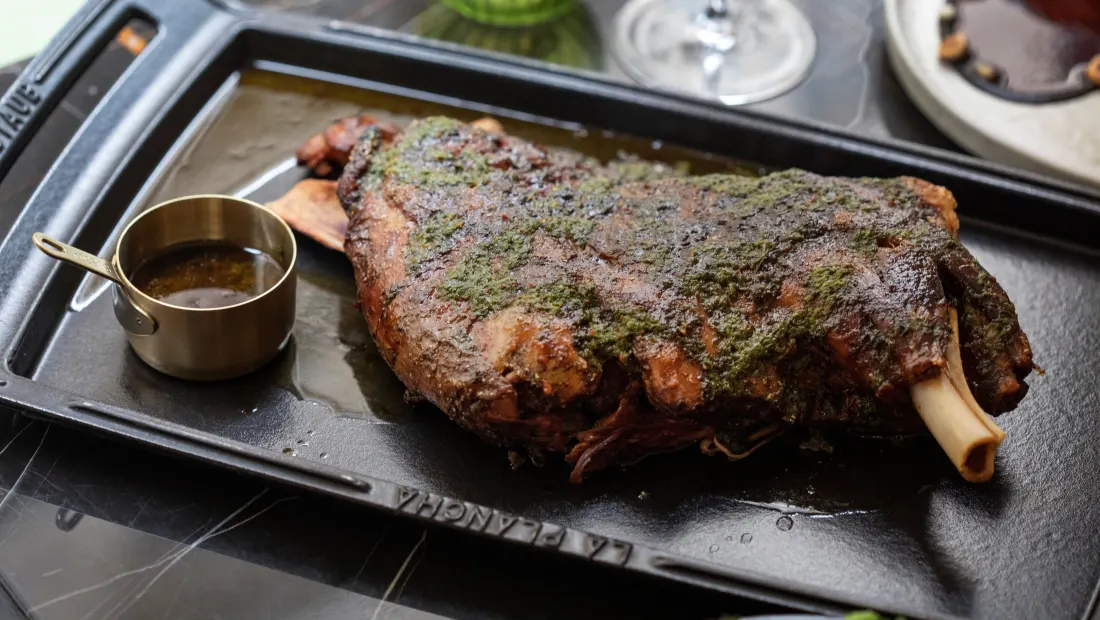
The cuisine carries several overlapping labels, including French, Japanese, International, European, Fusion, and Japanese Fusion, which together suggest a kitchen that does not adhere to a single national repertoire. Dishes that have appeared on the menu include seared foie gras served on Japanese rice, lamb, and a sequence of plated desserts. The seasoning approach has drawn attention from guests, with one diner noting the use of what they described as fabulous seasonings across a five-course Omakase menu. The kitchen's work leans toward gastronomic dining, where each course is constructed as a contained composition rather than a simple plate of food.
What to Expect from the Dining Experience
The meal structure revolves around multi-course menus, with both five-course and seven-course formats available depending on the occasion and the kitchen's direction. The Omakase menu, a term borrowed from Japanese dining culture, signals a chef-led progression where the sequence of dishes is determined by the kitchen rather than the diner. This format places trust in the culinary team's judgment and pacing, and it tends to attract guests who are comfortable surrendering choice in exchange for a curated arc of flavors. The seven-course version has included a wider sweep of ingredients, though the specific composition shifts over time.
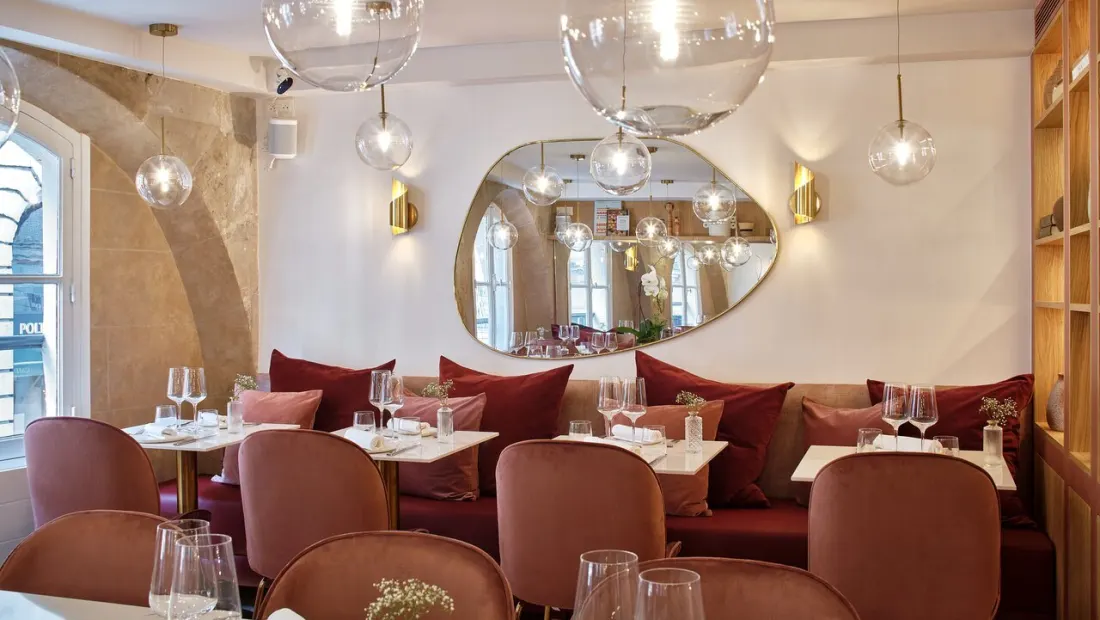
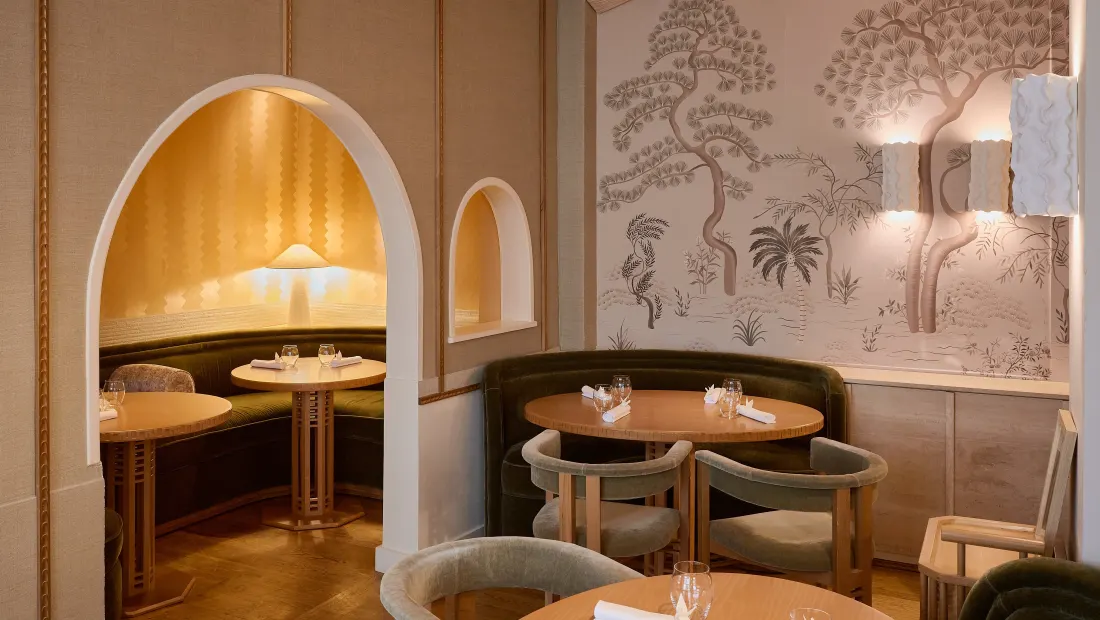
Service at Akabeko Restaurant has been described as involving multiple staff members attending to a single table over the course of a meal. This rotational style can create a sense of formality, though it may also affect the continuity of the dining room's rhythm. The atmosphere inside the restaurant has been characterized as welcoming by some guests, while others have noted that the acoustics of the room can make conversation difficult when the dining room is full. Soundproofing has been mentioned as an area where the physical environment could be refined, with one repeat visitor observing that the noise level required effort to hear tablemates across four separate visits.
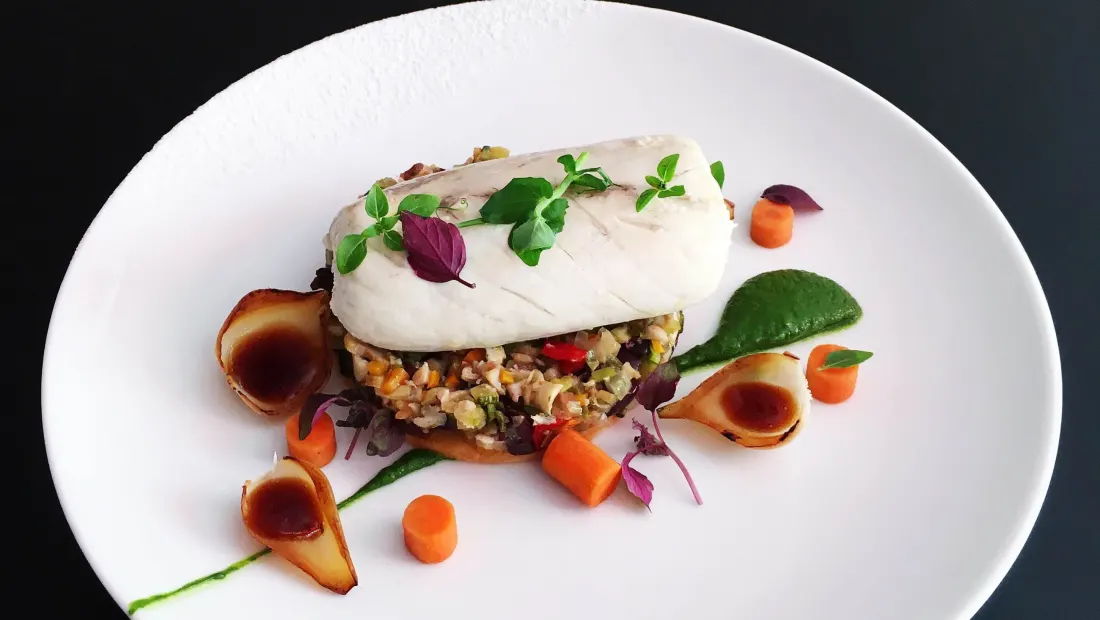
The plating style is consistently noted as visually striking, with an attention to color, arrangement, and negative space that aligns with contemporary fine-dining aesthetics. Dishes arrive with a deliberate visual impact, and the kitchen appears to treat presentation as an integral part of the meal rather than an afterthought. This emphasis on the visual dimension of dining fits within the broader fusion identity, where the Japanese culinary tradition's concern for visual harmony meets the French inclination toward elaborate plating.
Guest Impressions and Recurring Themes
Guest feedback reveals a split between those who find the experience polished and emotionally resonant and those who feel the execution does not always match the ambition of the menu. Some diners have praised the overall welcome, the decor, and the quality of the dishes, describing the restaurant as a form of gastronomy that aligns with their preferences. Others have pointed to specific technical shortcomings, such as overcooked fish, a broth that registered as overly salty, and a zucchini preparation that lacked distinct flavor interest. One dessert, described as a small baba, was noted as dense and unremarkable by a diner who otherwise appreciated the seared foie gras, the lamb, and a second dessert that they found perfectly executed.
The restaurant has been chosen for personal celebrations, including a tenth wedding anniversary, which suggests that it occupies a position in the Paris dining scene where guests consider it suitable for milestone occasions. The price level places it in the upper tier of the city's restaurant spectrum, and the set-menu format reinforces the sense of a destination meal rather than a casual drop-in spot. Guests who arrive with expectations of a seamless fusion experience may find moments of genuine delight alongside courses that do not fully deliver on the promise of the menu description.
Across multiple visits, one diner noted that the seasoning work was a standout element, while also reiterating the acoustic challenges of the room. This combination of high-level culinary technique and a physical environment that can feel strained when busy forms a recurring tension in the guest experience. The restaurant's identity does not rest on a single signature dish or a narrowly defined cuisine but rather on the interplay between two culinary cultures, executed through a structured tasting-menu format that asks diners to commit to the kitchen's vision for the duration of the meal.
















Add Your Comment
Comments appear on the website after admin approval.