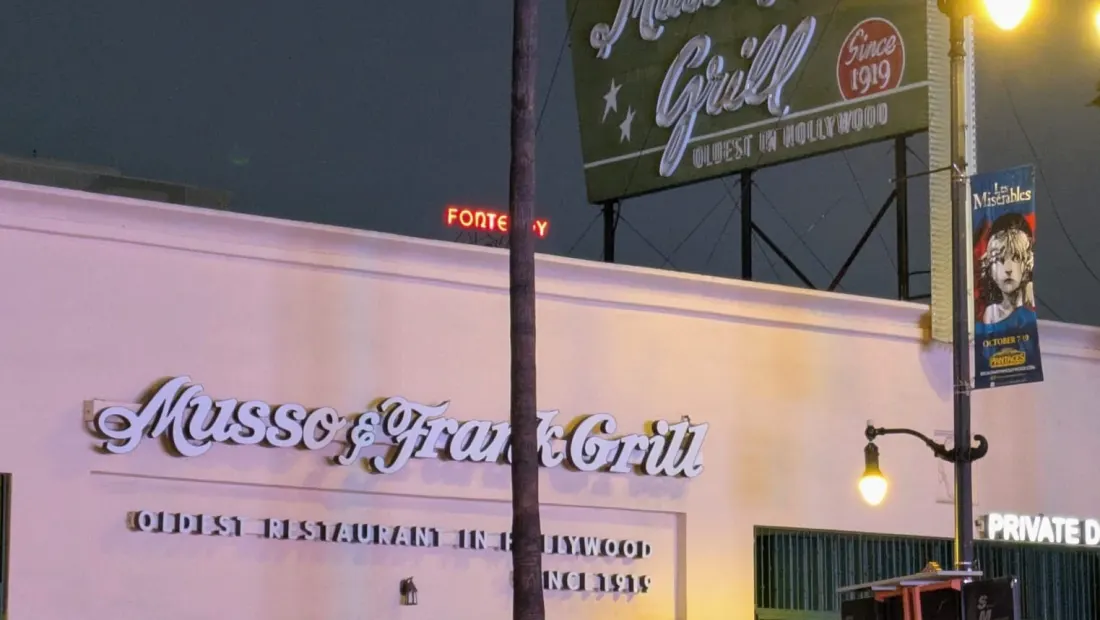
Musso & Frank Grill
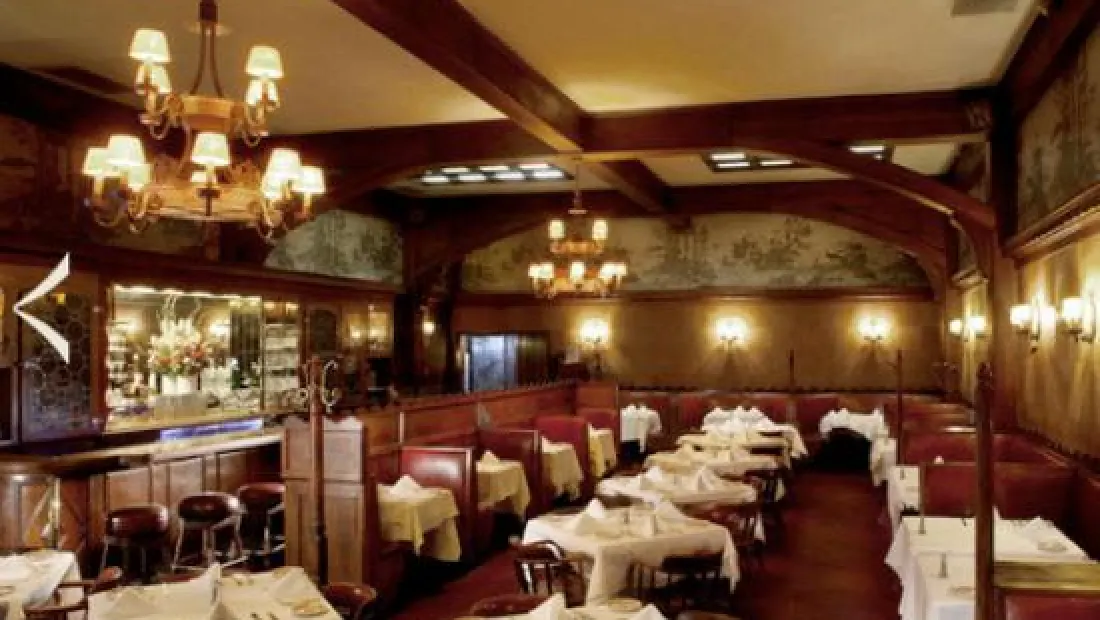
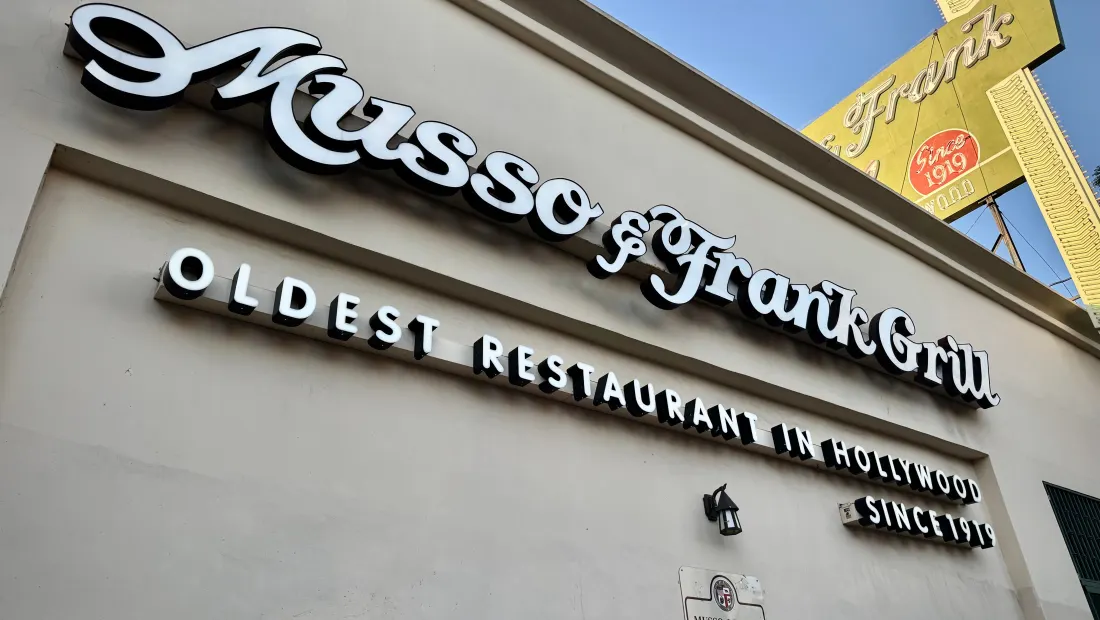
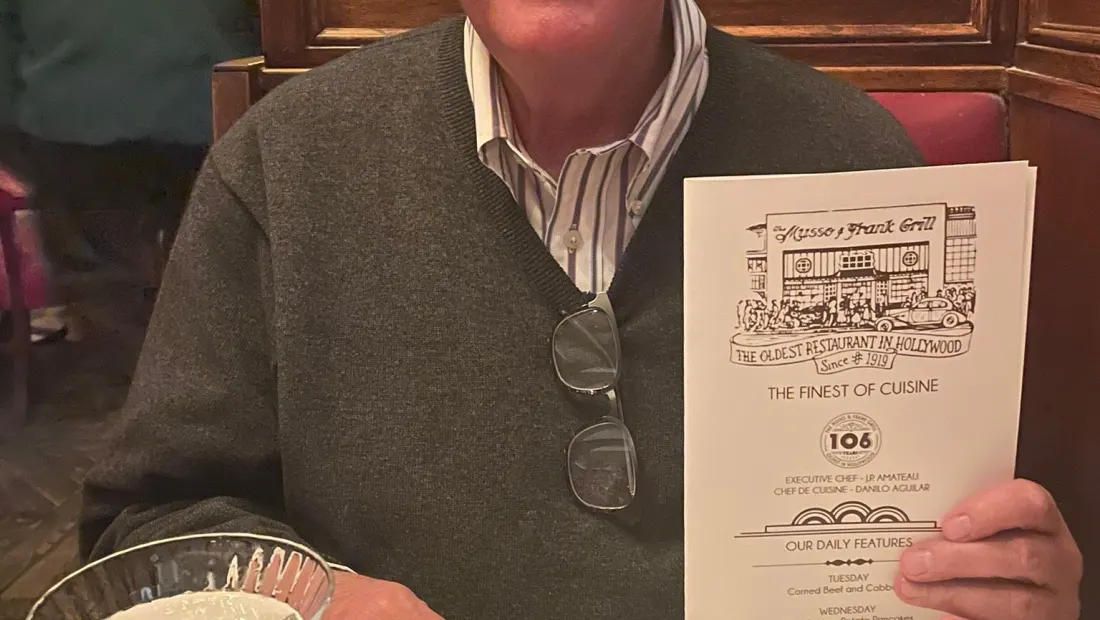
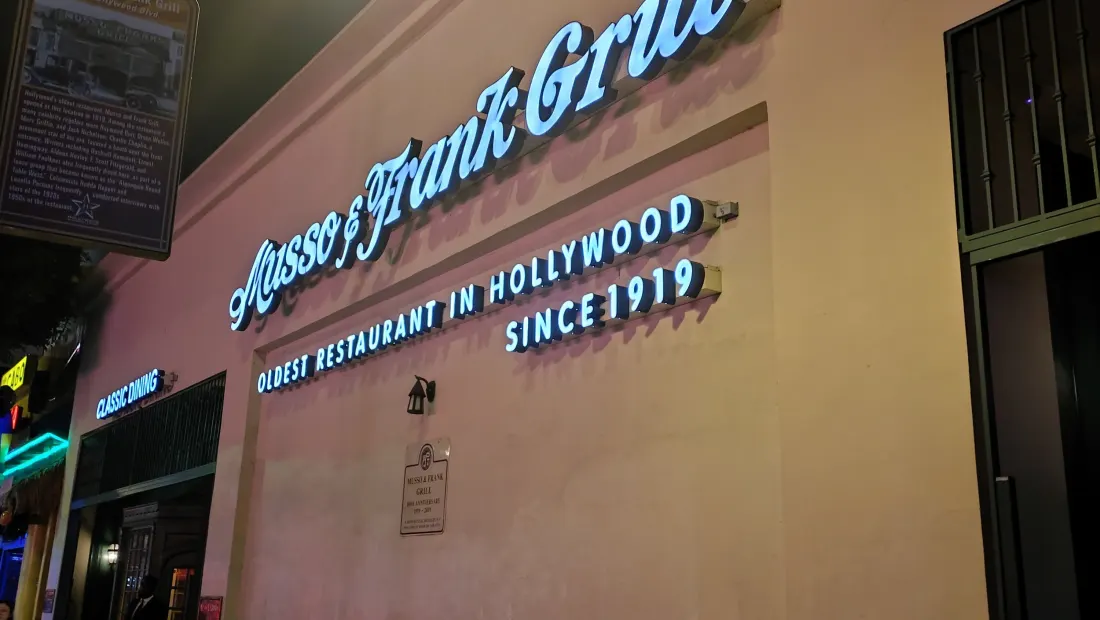
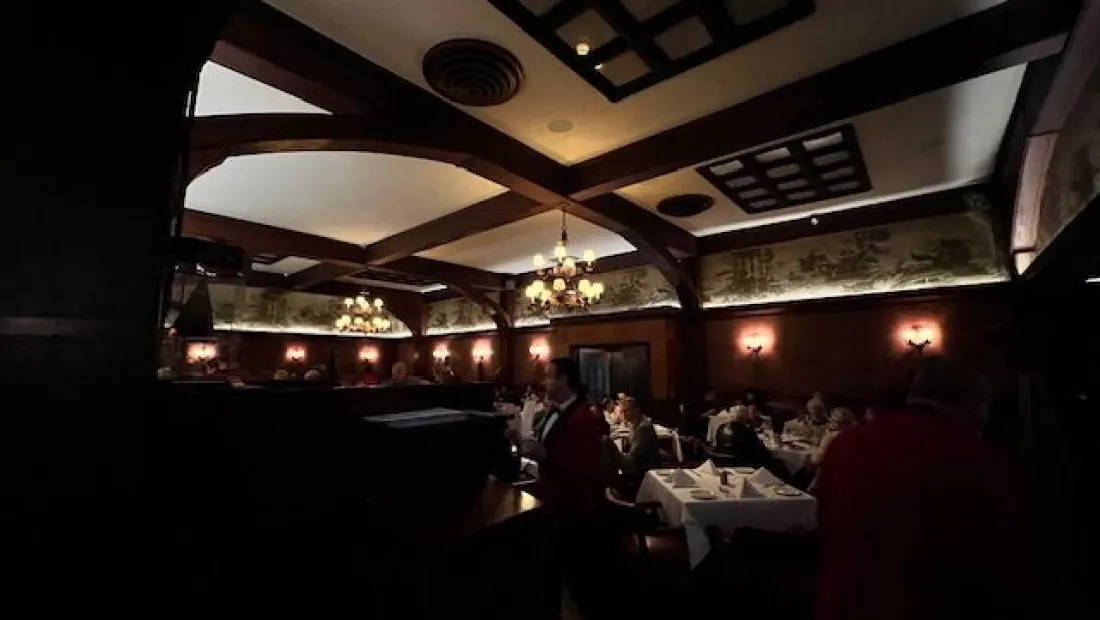
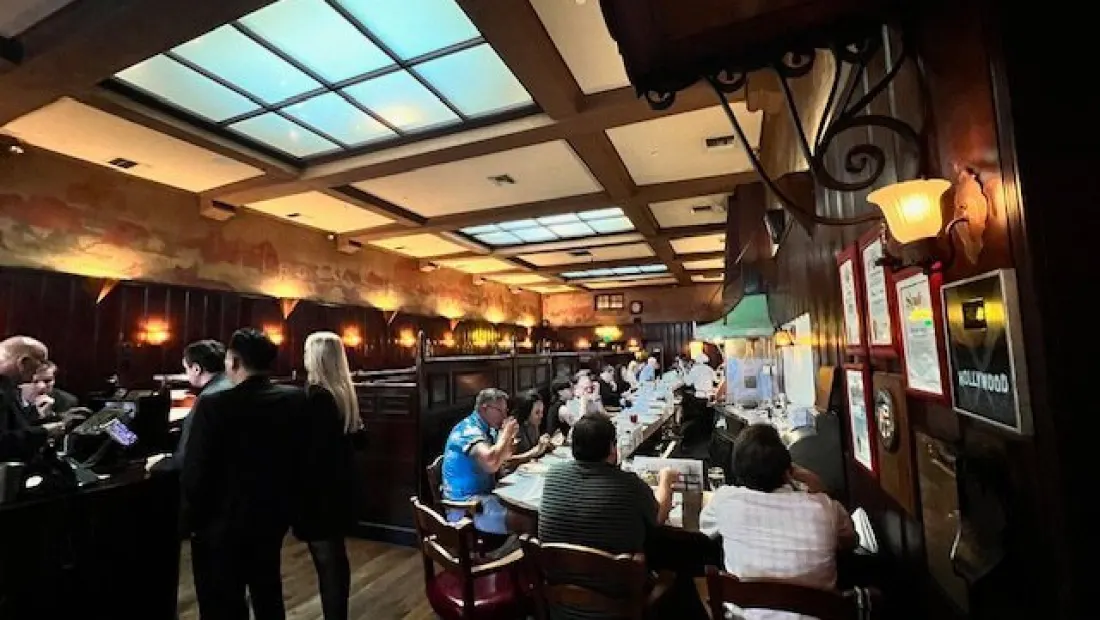
Musso & Frank Grill in Los Angeles occupies a distinct place in the city's restaurant landscape. Its identity is built around an Old Hollywood dining experience, one that recalls the atmosphere and style of the early decades of the last century. That sense of continuity shapes how the restaurant presents itself and how guests describe it, with the setting and mood treated as central to the meal rather than as a backdrop.
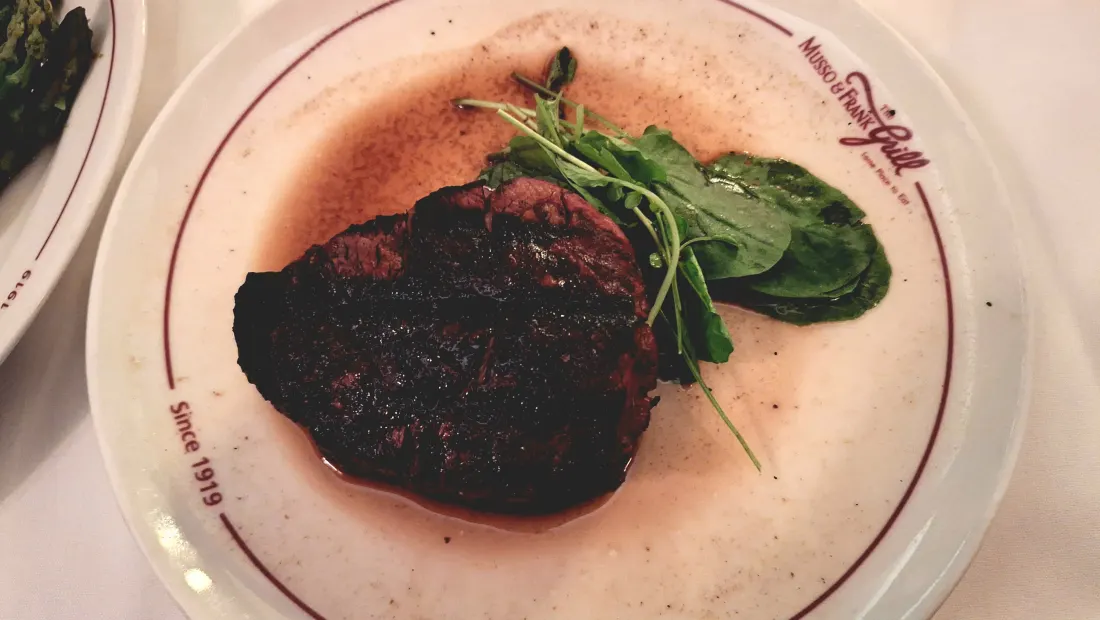
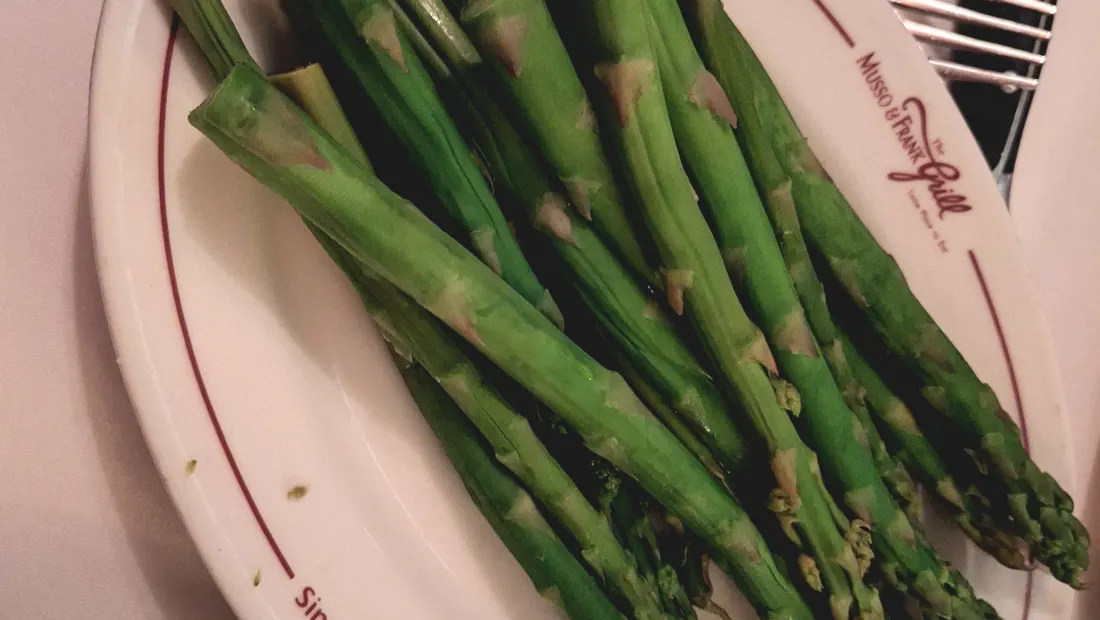
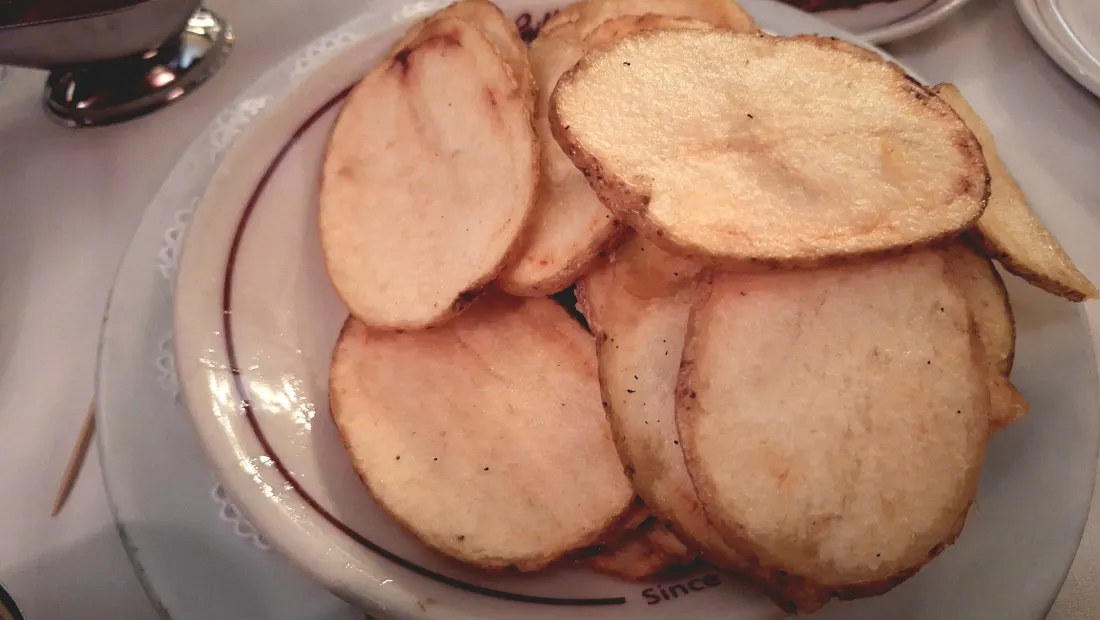
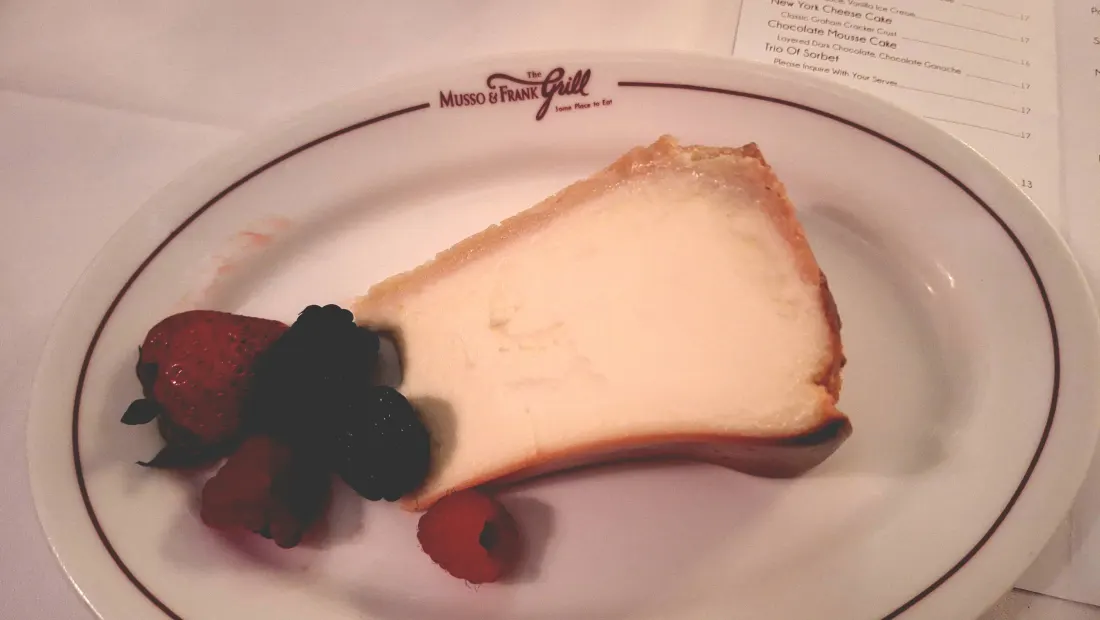
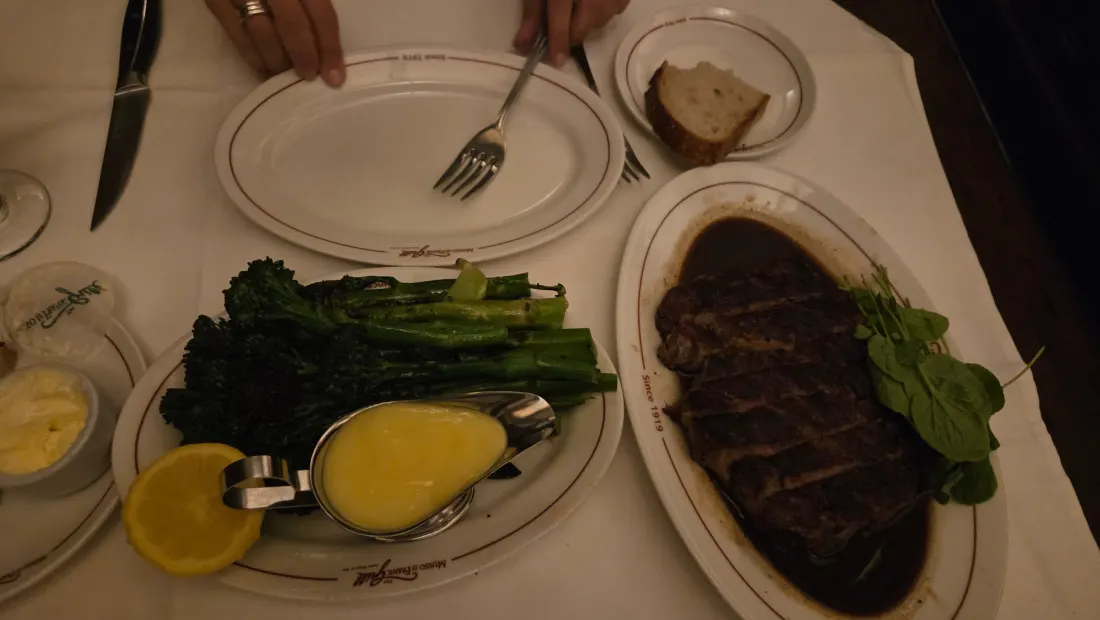
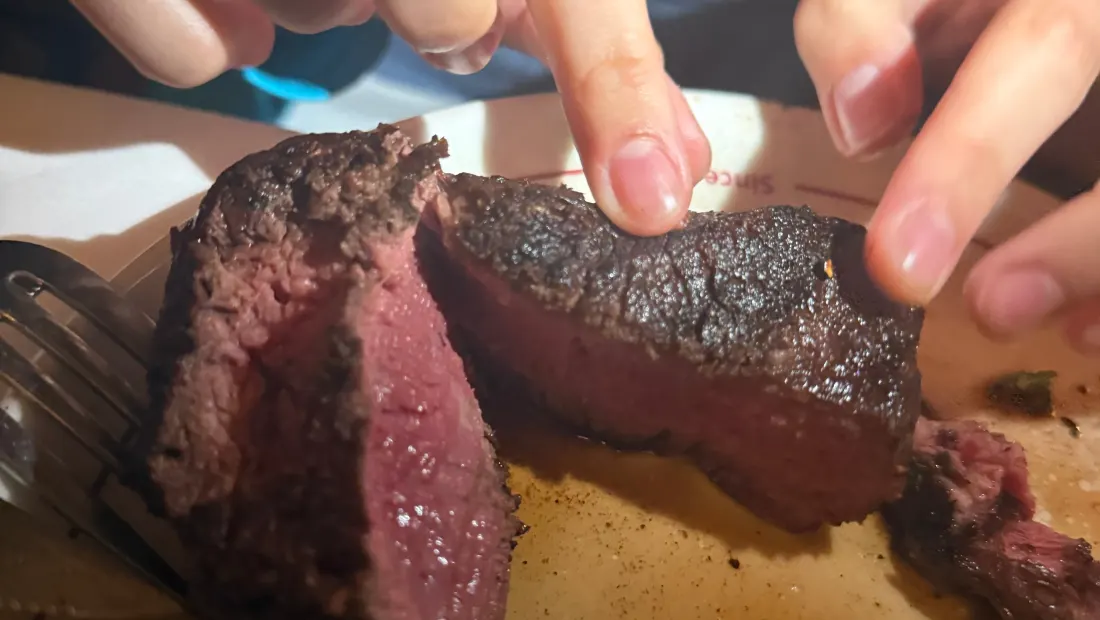
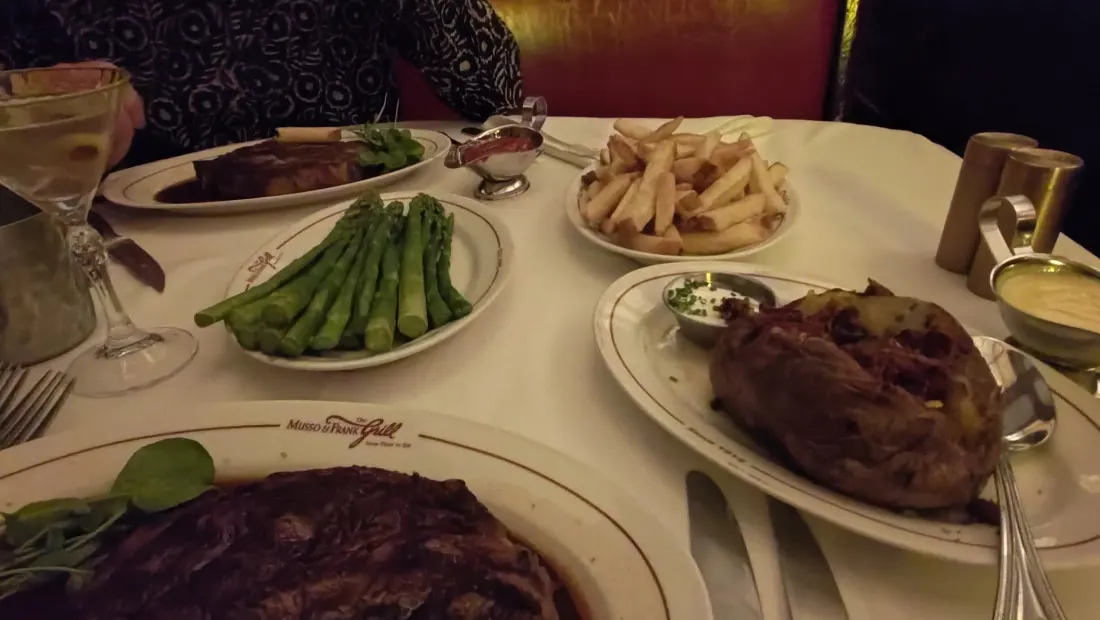
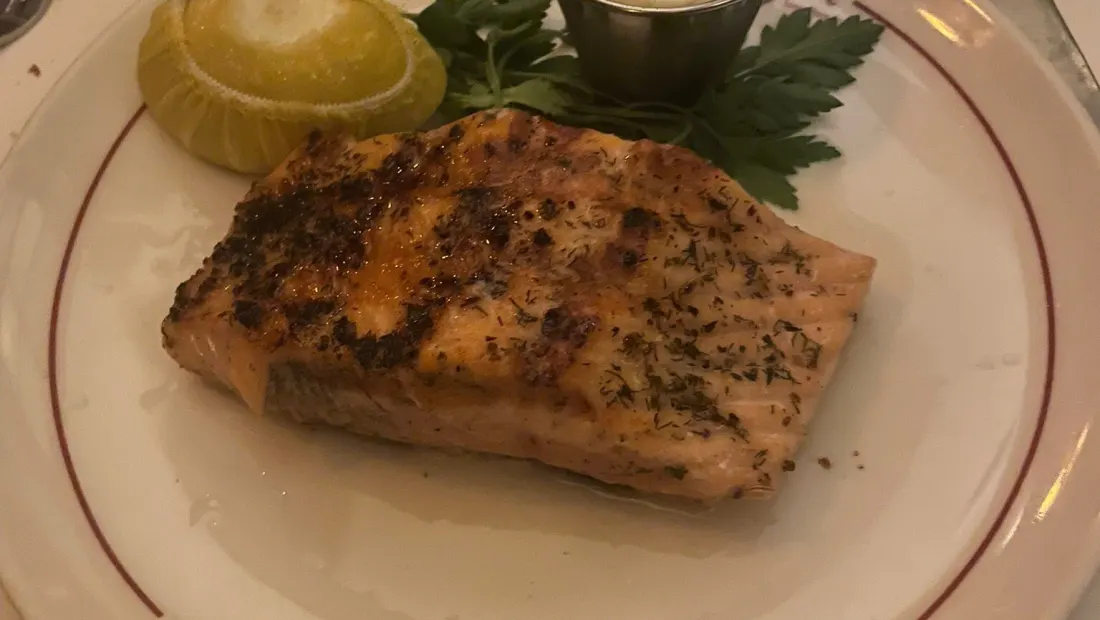
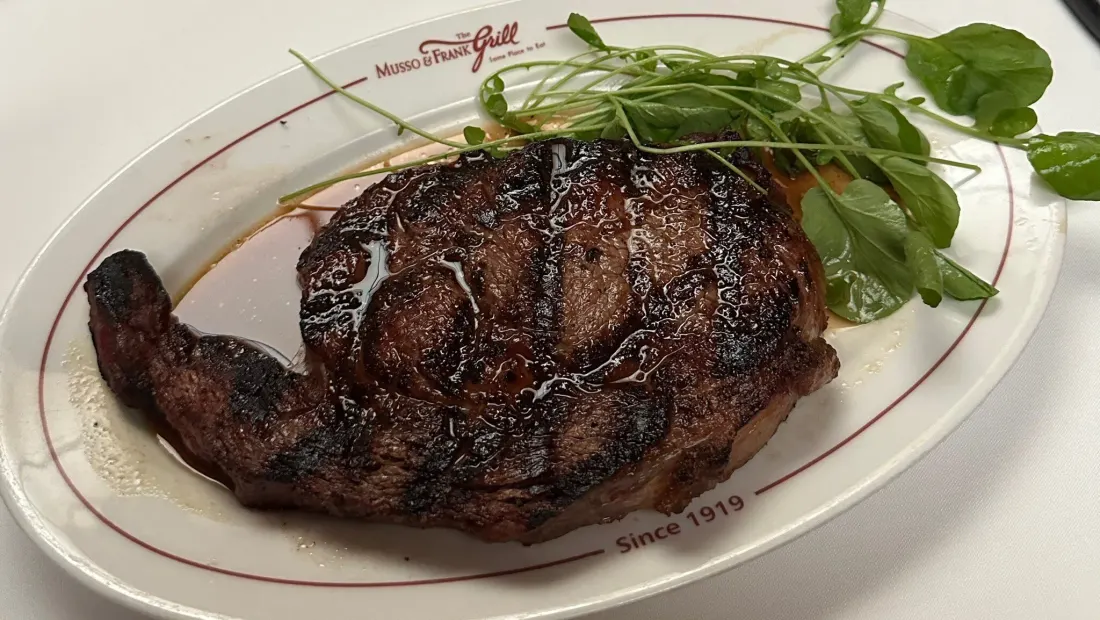
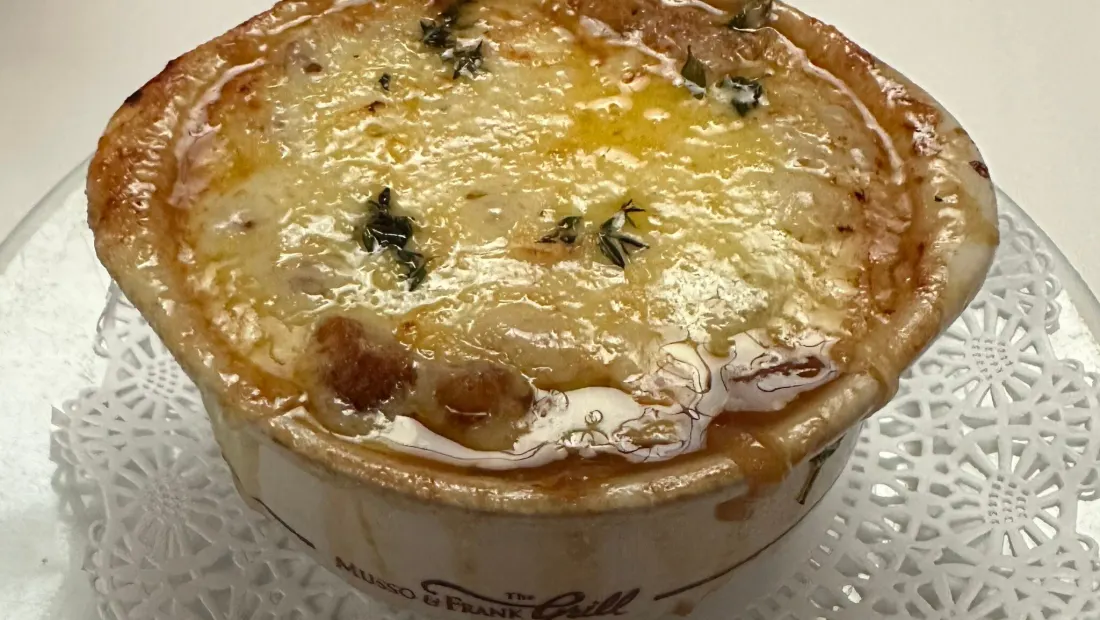
The kitchen turns out a range of classic dishes, and specific items appear in guest accounts. The filet mignon, asparagus, and cottage fried potatoes are named in reviews as highlights of a meal. These are the kinds of plates that fit naturally into a traditional steakhouse-style menu, and their presence gives a concrete sense of what a dinner here can include. The food is described in supplied reviews as exceptional and wonderful, with multiple guests pointing to the cooking as a reason their evening worked well.
What to Expect
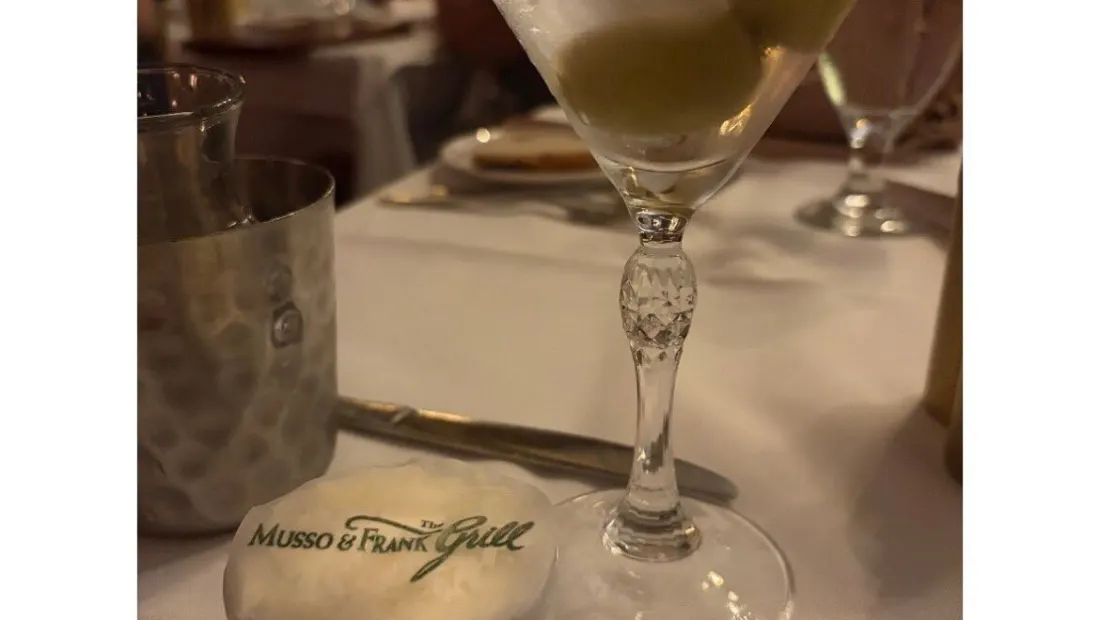
Stepping into the restaurant means entering a space that carries the character of an earlier era. Reviewers repeatedly return to the vintage atmosphere, describing it as one of a kind and as something that has survived from the golden years. One guest notes falling for the atmosphere specifically, calling it a place unlike others encountered nearby. Another describes the environment as unique and welcoming, framing the experience as something tied to a particular period rather than to current restaurant trends.
Service emerges as another recurring theme. Guests mention staff who take time to share the restaurant's history, including one server whose family connection to the business came up during a meal. That kind of exchange adds context to the evening, connecting the food and the room to a longer story. The welcome is described as positive, and the overall service, atmosphere, and food are grouped together as the elements that made a visit memorable for more than one guest.
Guest Impressions
Across the supplied reviews, a few themes repeat. The atmosphere draws consistent praise, with guests describing it as distinctive and tied to a specific period. The food receives similarly warm language, with multiple reviewers calling it exceptional or wonderful. Service also comes up favorably, particularly when staff share background about the restaurant. These are the impressions that recur, and they align with how the restaurant describes itself.
Not every detail in the reviews is uniformly positive. One guest notes that tables sat close together and that movement nearby interrupted the meal, and a request to change tables was not accommodated. That account sits alongside an otherwise strong rating, and it reflects a single experience rather than a general pattern. It is worth noting as part of an honest picture, though it does not define the restaurant's broader reputation in the supplied material.
What ties the accounts together is a sense of occasion rooted in history. The restaurant does not present itself as a modern reinterpretation of a classic steakhouse; it presents itself as a continuing example of one. For diners interested in that kind of continuity, the combination of a traditional menu, a room that carries its age visibly, and service that engages with the restaurant's past forms the core of the experience. The specific dishes named by guests, from the filet mignon to the cottage fried potatoes, give a practical starting point for anyone planning a meal, while the atmosphere and the stories told by staff provide the context that surrounds it.











Add Your Comment
Comments appear on the website after admin approval.